Malaria continues to threaten thousands of people in the most fragile humanitarian contexts. In Yemen, where living conditions remain extremely precarious and access to healthcare limited, this mosquito-borne disease is a major public health issue.
As with its response to cholera, Mehad is working on the ground to limit the spread of the disease, step up prevention and ensure that the most vulnerable patients receive rapid care.
Malaria: a disease with serious consequences
Malaria is a parasitic infection transmitted by the bite of infected mosquitoes. It manifests itself through episodes of fever, chills, headaches and intense fatigue. If left untreated, the disease can progress rapidly, leading to severe complications, particularly in children and pregnant women.
In a country like Yemen, marked by prolonged crises, exposure to malaria is exacerbated by overcrowding, fragile infrastructures and the difficulty of gaining rapid access to appropriate diagnosis and treatment.
Diagnosis, treatment and care at the Mehad Hospital
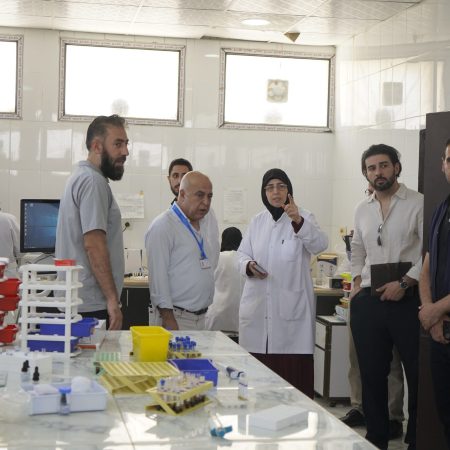
Thanks to the management of its hospital in Yemen, Mehad is able to provide comprehensive care for patients suffering from malaria:
- Rapid diagnosis and patient referral
- Administration of appropriate antimalarial treatments
- Management of severe forms requiring hospitalisation
- Medical monitoring to prevent complications and relapses
This direct access to care is essential if we are to respond effectively to emergencies and save lives.
Mehad’s involvement in Yemen
In Yemen, malaria is part of a wider health and humanitarian crisis. Faced with this reality, Mehad is working alongside the population to strengthen prevention, improve access to care and support local healthcare systems.
By combining actions on the ground, awareness-raising and medical care, the NGO remains fully mobilised to respond to health emergencies and protect the most vulnerable populations, both now and in the long term.