In Syria, after more than a decade of conflict, access to healthcare remains a major challenge, particularly for people with kidney failure, whose survival depends on regular dialysis sessions.
Given the fragility of medical infrastructure, the lack of resources and the uncertainty surrounding funding, ensuring the continuity of these vital treatments is a major challenge, particularly in the north-east of the country.
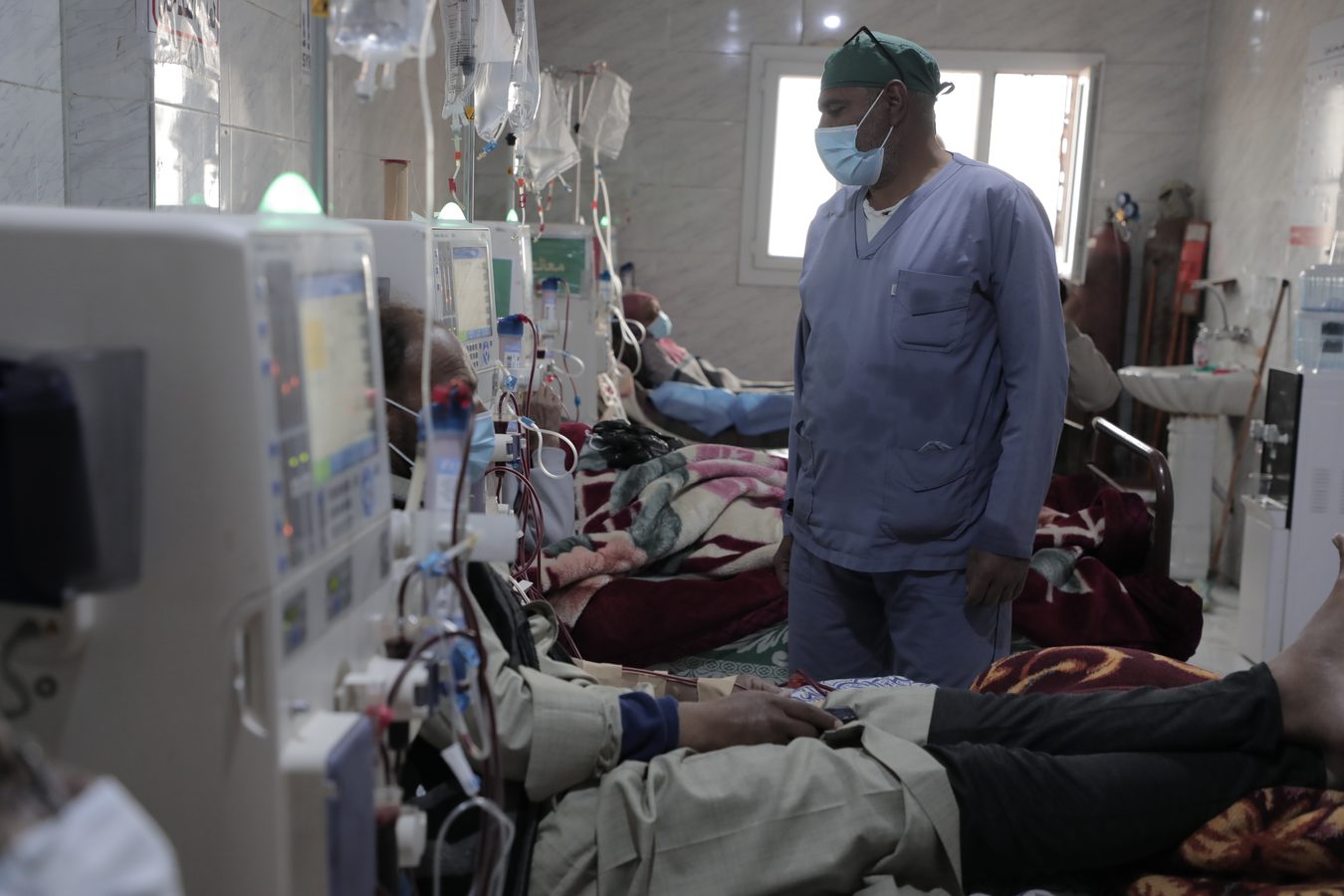
Two dialysis units supported by Mehad in north-eastern Syria
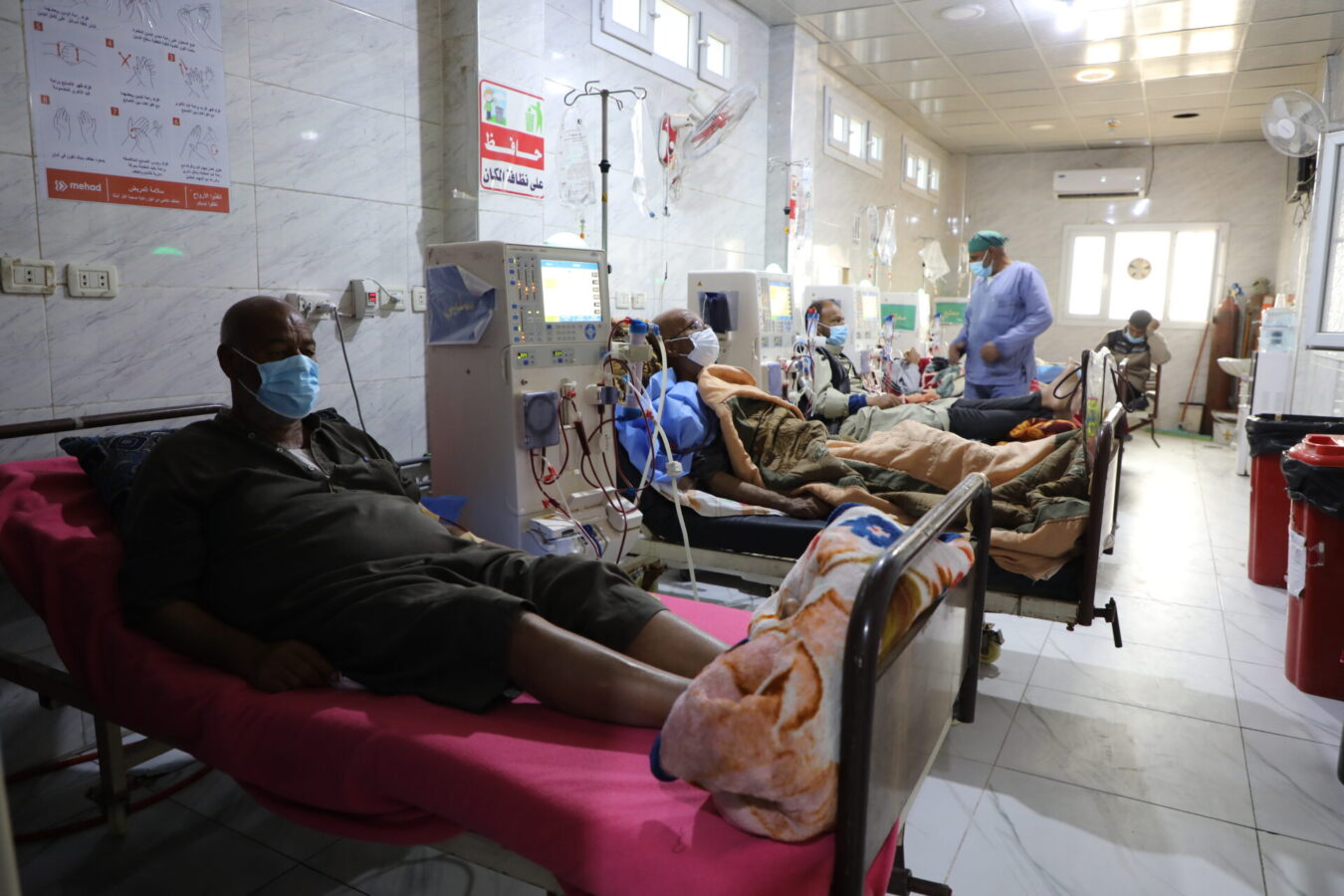
To meet these needs, Mehad supports two dialysis units in north-eastern Syria, specifically in Abu Hamam and Al-Kasra.
These facilities enable patients with kidney failure to receive regular haemodialysis sessions, which are essential for their survival.
Every year, Mehad carries out more than 6,000 dialysis sessions for 140 patients, thereby helping to ensure access to essential care in a region where healthcare facilities remain limited.
Medical support beyond dialysis sessions
Care is not limited to haemodialysis sessions. In the units supported by Mehad, medical teams monitor patients, supervise treatments and manage emergencies.
To reduce the risk of complications and mortality, Mehad has also introduced infection prevention and control protocols, as well as personalised patient care.
In particular, this support enables us to monitor complications associated with high blood pressure, diabetes and cardiovascular disease, so that treatments can be tailored to each individual’s needs.
Essential organisations facing major difficulties
In recent years, a lack of funding has already led to the closure of some dialysis centres in Syria, further undermining patients’ access to care.
Whilst the centres in Al-Kasra and Abu Hamam are currently continuing their operations, their future remains highly uncertain looking ahead to 2027, due to the withdrawal of certain funding. Without further support, the continuity of care for patients who rely on these facilities could be seriously jeopardised.
Safeguarding access to essential healthcare
The priority today is to keep the two dialysis centres in Al-Kasra and Abu Hamam open, as hundreds of patients rely on them to continue their treatment.
Faced with financial uncertainty, Mehad is taking action to secure new funding and ensure the continuity of this essential care.