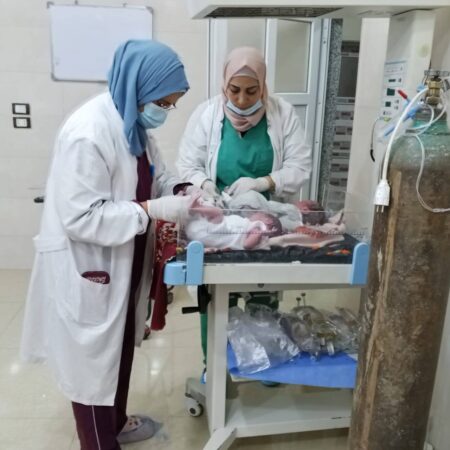
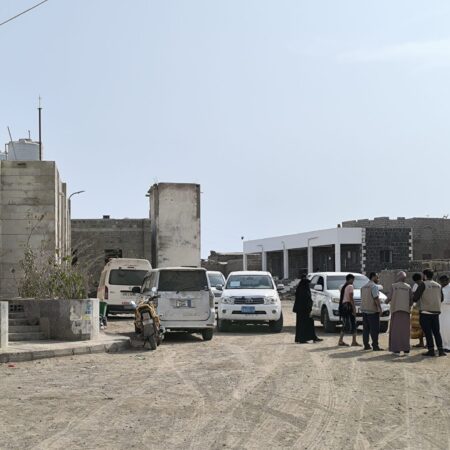
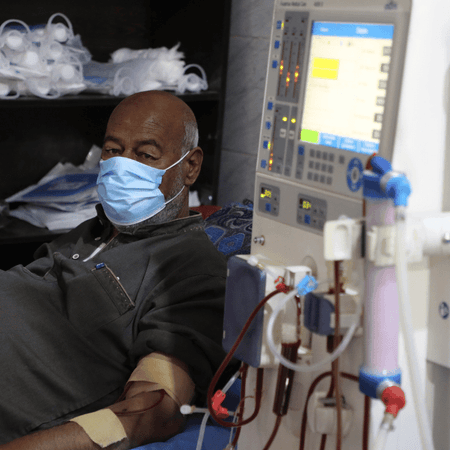
War does not only cause physical injuries. According to the WHO, one in five people living in a conflict zone suffers from a mental health condition, including depression, anxiety or post-traumatic stress disorder.
To mark World Mental Health Day, Mehad highlights a crucial reality: treating the consequences of war also means looking after the mental health of those who are living through it.
Invisible wounds that linger
In Syria, after more than a decade of conflict, millions of people are still living with the consequences of the violence, displacement and losses they have suffered. In Ukraine, those wounded in the war and veterans are facing trauma that is disrupting their independence, their family relationships and their ability to look to the future.
In these contexts, mental health is not a secondary need, but an essential part of the care pathway.
In Syria, making psychosocial support accessible
To meet these needs, Mehad has been incorporating psychosocial support into its medical services since 2011. Its teams offer individual consultations, group support sessions and mental health awareness activities.
The aim is to support those affected by the traumas of war, whilst promoting access to psychological care and helping to break down the taboos surrounding such issues.
In Ukraine, caring for body and mind
In its rehabilitation centres, Mehad employs a multidisciplinary approach involving physiotherapists, psychologists and social workers to support those injured in war.
Following a serious injury or amputation, regaining independence is not enough: patients must also rebuild their self-confidence and restore their psychological balance. Art therapy complements this support by enabling patients to express their emotions and traumas in a different way.
Mehad also runs projects aimed at Ukrainian veterans, combining psychosocial support, group activities and social reintegration to help them return to civilian life.
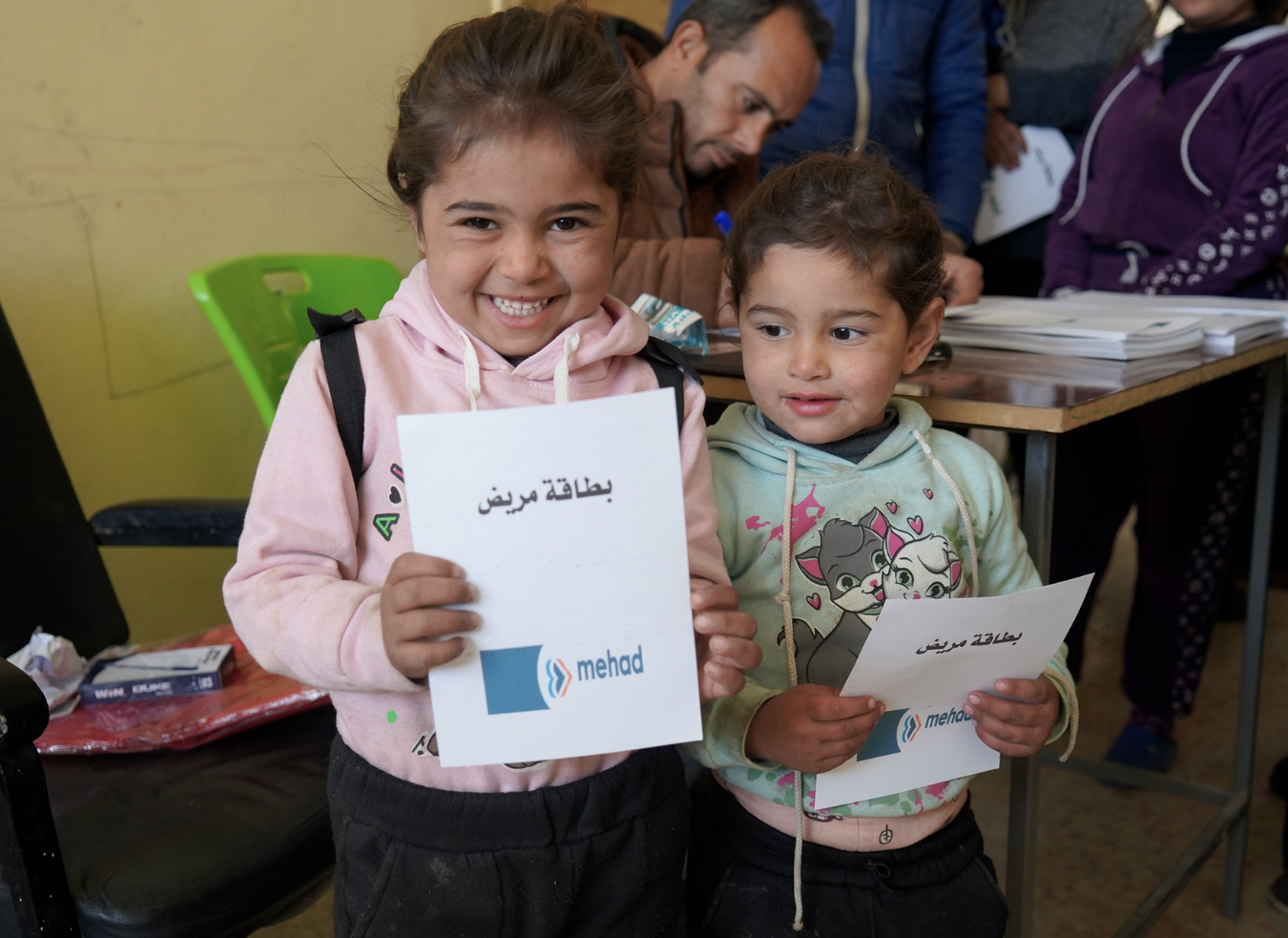
Essential support, made possible by solidarity
In 2025, thanks to the support of its donors and partners, Mehad carried out 13,721 individual psychosocial support sessions and provided support to 37,588 people.
However, the needs remain considerable, and many people still do not have access to appropriate support.
To address this issue in the long term, Mehad is also working to strengthen local healthcare systems, in particular by training healthcare professionals, with a view to fully integrating mental health into care pathways.