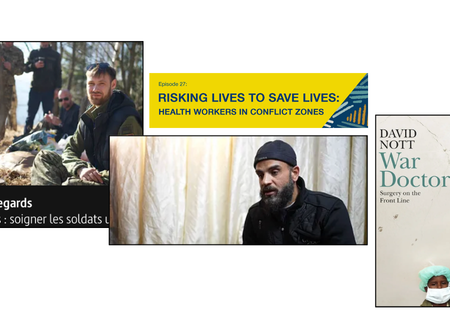
Behind every figure we share – whether it’s the number of consultations, transfusions carried out or births attended – there are lives, faces and stories of people for whom this is everyday reality. So this time, rather than telling you about our work, we wanted to offer you a different way of understanding the realities that healthcare staff and patients face every day.
Podcasts, reports, reviews and readings – these are not our own content. They are external perspectives, whether journalistic or scientific, which shed a different light on the work carried out by our programmes: providing medical care in conflict zones, supporting those with invisible wounds, and protecting the most vulnerable.
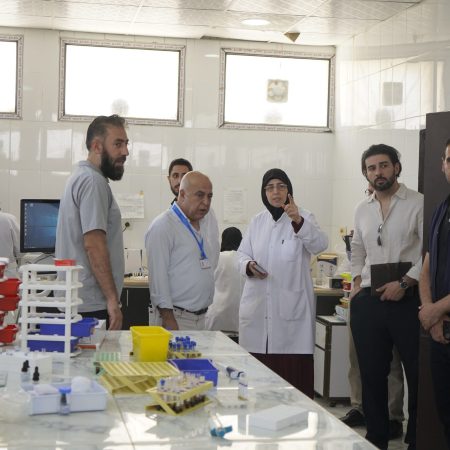
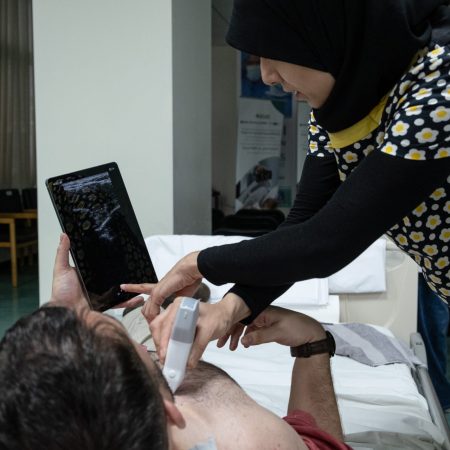
On the ground, providing care come what may
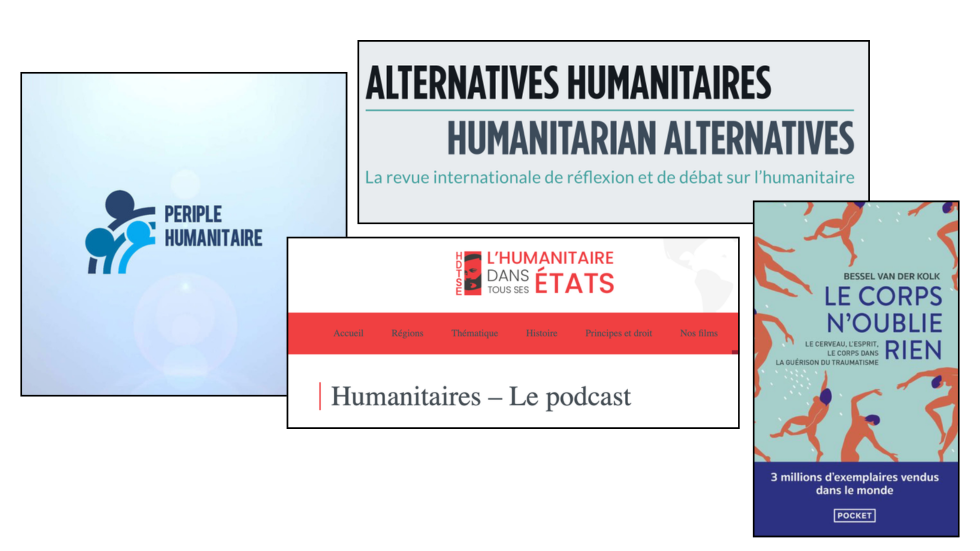
Alternatives Humanitaires is an open-access journal that regularly publishes in-depth analyses on nutrition in crisis situations, humanitarian medical research and the psychosocial care of displaced populations. It’s the sort of reading that doesn’t just state the facts, but takes the time to explain why things are complicated.
‘Humanitaires’, the podcast produced by the International Committee of the Red Cross, gives a voice to those working at the forefront of international humanitarian law and the protection of civilians. Voices from the field explain what it means in practice to protect a population in times of war.
*Périple Humanitaire* brings together accounts from healthcare workers, logistics staff and coordinators who reflect on their missions in Syria and Yemen, amongst other places. It captures both the pride in their work and the exhaustion it brings, making it a fairly accurate portrayal of what teams working on the ground are going through. Available on all streaming platforms.
Injuries you can’t see
Mental health remains one of the most neglected areas of humanitarian aid, even though it often determines people’s ability to rebuild their lives. To gain a better understanding of what this issue entails, particularly in Ukraine where our teams are also providing support for psychological trauma linked to the conflict, we recommend *The Body Never Forgets* by Bessel Van der Kolk.
In this reference work on psychotrauma, the psychiatrist explains how violence leaves a lasting mark on the body, long after the events have ceased. Although comprehensive and rich in clinical case studies, the book may nevertheless prove difficult for some people to read. It provides a solid introduction to understanding the effects of trauma, whilst bearing in mind that there are now a variety of validated therapeutic approaches available to support those affected. A valuable read for understanding why mental health is an integral part of our healthcare programmes. Available in libraries and bookshops.
Keep learning, keep taking action
Staying informed is one way of standing by the communities we support. If any of this content strikes a chord with you, please do share it, as this is also a form of activism in its own right.