Since April 2023, the war in Sudan has forced millions of people to flee their homes, particularly to neighbouring Chad. Some 30 kilometres from the Sudanese border, the Oure Cassoni camp is currently home to nearly 122,000 Sudanese refugees, the vast majority of whom are women and children.
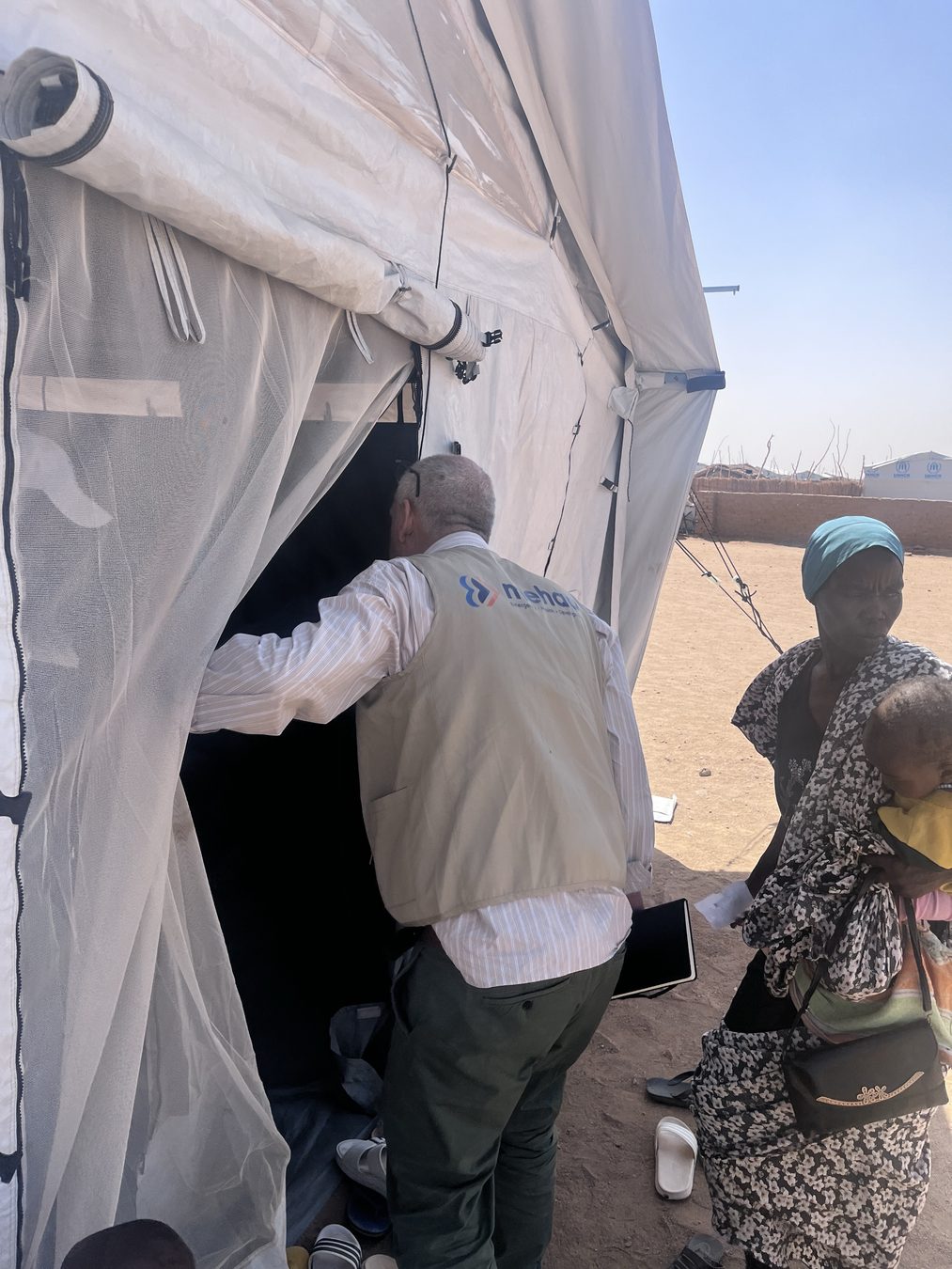
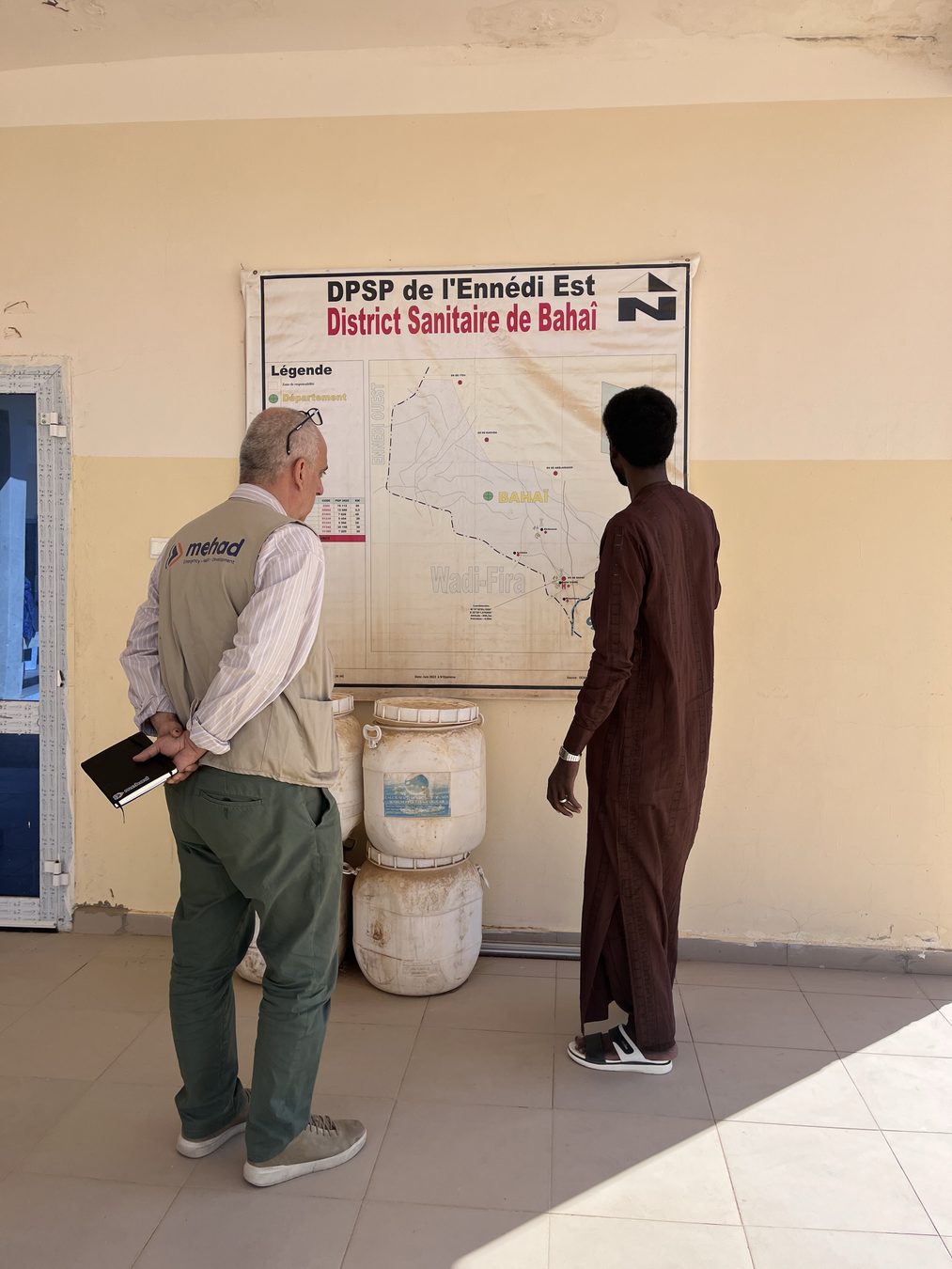
Following an initial exploratory mission carried out in November 2025 in eastern Chad, a team from Mehad returned to the area to conduct a more detailed assessment of healthcare needs and explore possible courses of action, in collaboration with local healthcare providers. This project would mark Mehad’s first intervention on the African continent, signalling a new stage in the development of its humanitarian work.
Ever-increasing healthcare needs
Since the conflict in Sudan flared up again in 2023, around 85,000 new refugees have arrived at the Oure Cassoni camp, which was already home to nearly 37,000 people. According to local authorities, nearly 500 more refugees continue to arrive there every week, mainly from Darfur.
This influx is placing considerable strain on healthcare facilities. A single public health centre handles the vast majority of consultations and births for the entire camp.
However, given the ever-increasing scale of needs, further strengthening of human and medical resources remains necessary to supplement existing arrangements and ensure that the entire population has access to appropriate healthcare.
The priority needs relate to malnutrition, infectious diseases and maternal and child health, particularly amongst pregnant women and children under the age of five.
Improving access to essential healthcare
To meet these needs, Mehad is planning an initiative to complement that of Médecins Sans Frontières Belgium and the Chadian NGO ADES, centred on two main areas.
The first involves strengthening the existing public health centre, in particular by supporting medical teams and improving antenatal care, obstetric care, vaccination and the management of malnutrition.
The second project involves setting up an advanced health centre in an underserved area of the camp, with the aim of bringing healthcare closer to the most vulnerable communities. This facility could provide medical consultations, maternal and child healthcare, nutritional support and psychosocial support.
Improving emergency care
Access to hospital care is also a major issue. Patients experiencing complications must be transferred to the Bahaï referral hospital, located some 20 kilometres from the camp.
Mehad is therefore looking into the possibility of strengthening the medical evacuation system, in particular by providing support for ambulance equipment and operations, subject to the availability of funding.
A campaign to safeguard access to healthcare
Through this proposed initiative, Mehad hopes to help reduce maternal and infant mortality, improve access to primary healthcare and strengthen the management of medical emergencies.
Working in coordination with the Chadian health authorities and organisations on the ground, Mehad continues its efforts to develop a medical response tailored to the needs of families who have fled the war in Sudan.