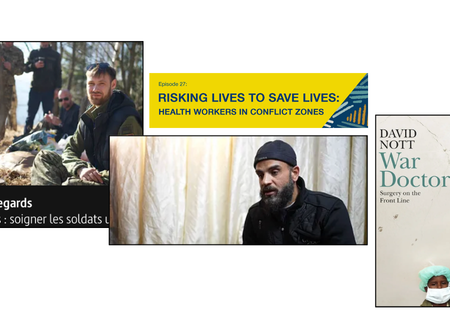
Armed conflict, forced displacement and health insecurity exacerbate the spread of infectious diseases in war zones. Malaria, cholera, Ebola fever or monkeypox: these diseases, which are often controlled elsewhere, become major health emergencies in crisis situations. Faced with this reality, Mehad deploys its teams to respond rapidly and effectively to these vital emergencies.
The most common diseases in conflict zones
In war zones, health systems are weakened and sometimes destroyed, leaving the population extremely vulnerable to infectious diseases. Malaria particularly affects children and pregnant women, especially in regions such as Syria and Yemen. Cholera, linked to contaminated water, spreads rapidly in camps for displaced persons where hygiene conditions are poor. Ebola fever, with its high mortality rate, remains a formidable threat in certain unstable territories. These diseases come on top of other re-emerging infections, which can have dramatic consequences.
Why epidemics explode in the context of conflict
The war is destroying health infrastructures, blocking access to drinking water and limiting vaccination coverage. The situation is exacerbated by the increase in forced displacements, precarious shelters, disruption of drug supply chains and shortages of medical staff. In this context, epidemic outbreaks can spread rapidly, threatening thousands or even millions of people. Health insecurity takes hold, fuelled by poverty, lack of information and the stigmatisation of the sick.
Mehad’s response to health emergencies
Mehad operates in conflict zones with the conviction that access to healthcare is a fundamental right, even in the most complex situations. In Syria, Yemen, Palestine and Ukraine, the NGO deploys mobile clinics and sets up health centres to provide emergency care and essential treatment for malaria, cholera and other infectious diseases.
The organisation mobilises local professionals, trained in detecting and treating epidemics, and distributes medical equipment and hygiene kits to limit the spread of disease. At the same time, Mehad runs awareness campaigns to inform people about preventive measures, and supports the rehabilitation of health facilities destroyed by conflict.
Mehad’s approach also aims to strengthen local healthcare systems in the long term, so that people can continue to benefit from quality care long after the emergency response is over.