Faced with the escalating violence in northern Syria, the NGO Mehad has drawn up an action plan to meet the health needs of the people affected. Since 27 November, more than 115,000 people have been displaced as a result of intense bombardment, creating a catastrophic situation in the Aleppo and Idlib regions. Mehad is now calling on donors to support his efforts.
An absolute emergency
The recent offensives have seriously destabilised essential infrastructure: schools, hospitals and markets have been destroyed, making access to basic services virtually impossible.
The more than 500 air strikes recorded have already left more than 100 civilians dead and more than 350 injured, two-thirds of them women and children. Massive population displacements, combined with extreme insecurity, are exacerbating the humanitarian crisis.
Mehad’s operational action plan
In response to this dramatic situation, Mehad has defined five strategic priorities:
- Strengthening health infrastructure in Idlib:
Mehad plans to provide medical supplies, essential medicines, and equipment to hospitals identified as priorities, which will be allocated to address the critical needs of local populations. - Deploying mobile clinics for displaced persons:
We plan to deploy three mobile clinics in Harem, targeting areas with a high concentration of internally displaced persons. These mobile units will provide general medical consultations, nutrition services for children, and prenatal care for pregnant women. These interventions will reach the most vulnerable populations living in temporary shelters. - Encouraging the return of healthcare professionals to Aleppo:
The shortage of medical staff in Aleppo is a major concern. To address this issue, Mehad aims to encourage healthcare professionals from Aleppo to rejoin the health system under favorable conditions. - Strengthening maternal and child services:
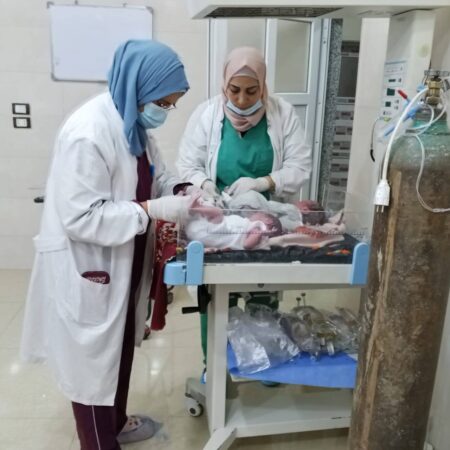
Maternity hospitals in areas with high displaced populations must receive increased support to ensure proper care for mothers and children in need. Mehad plans to support the mother-and-child hospital in Harem for six months. - Opening two new secondary health centers in Idlib and Hama:
In areas recently freed from regime control, where a massive return of displaced populations is expected, Mehad aims to establish secondary health centers. These centers will provide basic surgical care, specialized consultations, and emergency treatments to meet the immediate needs of returning populations. These interventions will directly reduce mortality in these isolated rural areas.
A call for solidarity
To implement this emergency plan, Mehad is calling on donors and partners to work together. Closing the financial gaps is crucial to saving lives.
But in the meantime, your support is essential if we are to tackle this emergency! Every donation makes a difference, and provides significant help for our actions on the ground. Together, we can make a significant impact in this humanitarian crisis: thank you in advance for your support!