Two years after the end of the war, access to healthcare remains a real challenge for millions of Syrians. It was to assess these needs that Dr Mehdi El Melali travelled to the region on behalf of Mehad.
Two years after the fall of the regime, Syria is no longer in the media spotlight. Yet the country continues to face a severe humanitarian crisis. Nearly 16 million people are currently in need of humanitarian aid, and more than half of them are directly dependent on assistance to continue receiving medical treatment.
Furthermore, 43 per cent of hospitals and 70 per cent of primary healthcare centres are either closed or operating only partially, due to a lack of staff, equipment, medicines or even electricity and running water. Behind these figures lies a very real situation: accessing healthcare remains difficult, if not impossible, for millions of Syrians.
Seeking medical treatment: a financial burden above all else
For many Syrians, accessing healthcare remains a financial burden: whilst 9 out of 10 Syrians live below the poverty line, 91 per cent of households in 2025 report having to pay for access to healthcare, a figure that rises to 95 per cent among families who have only just returned to their home regions. The cost of medicines, transport costs and waiting times are all obstacles that force entire families to forego healthcare or go into debt to access it.
Added to this are a chronic shortage of healthcare staff and around thirty attacks on healthcare facilities recorded in 2025. It is against this grim backdrop that Dr Mehdi El Melali is currently undertaking a new needs assessment mission in Syria on behalf of Mehad.
Going out into the field to understand people’s needs
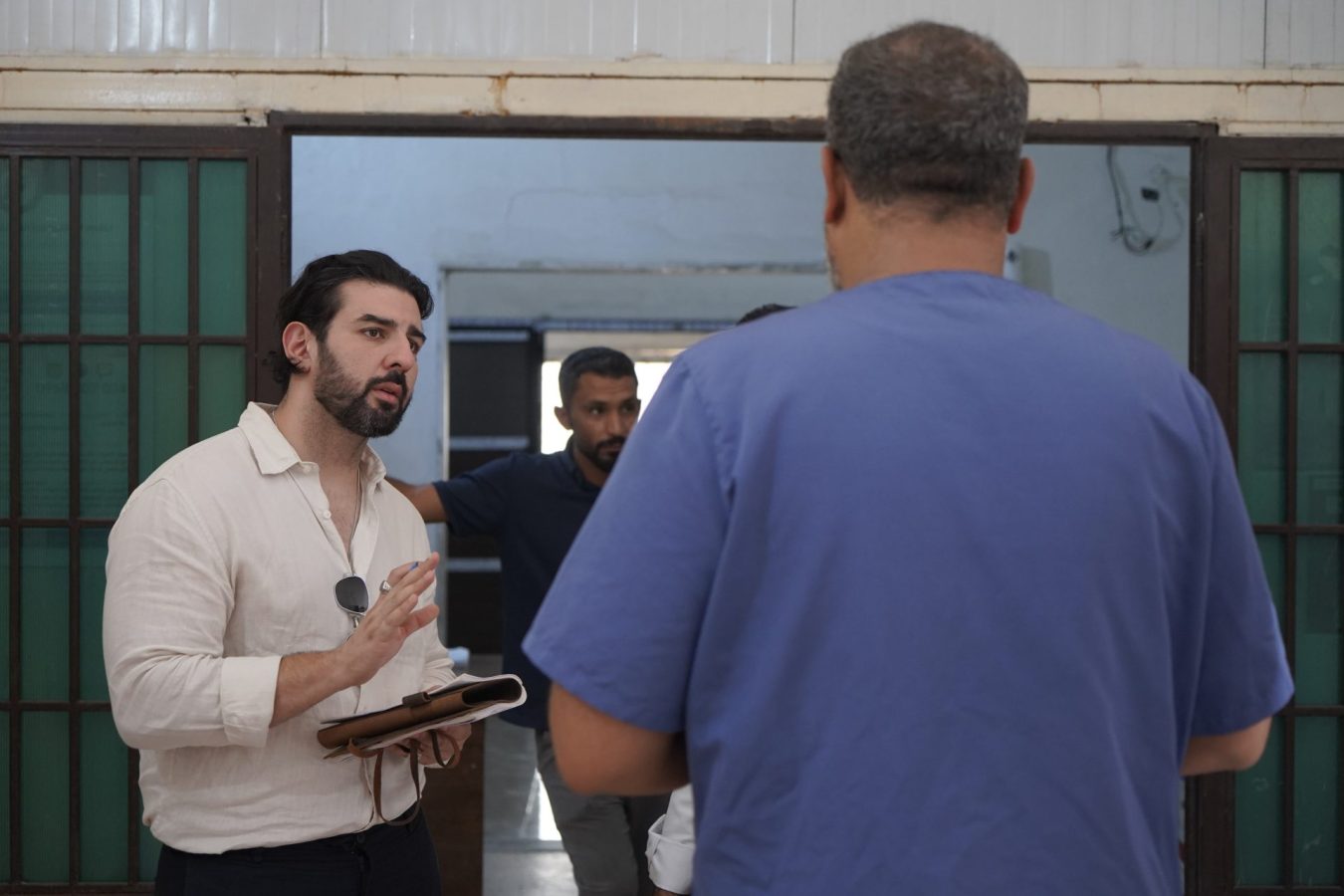
From Damascus to other parts of the country, this assessment mission aims to engage with those who, day in, day out, keep Syria’s severely weakened healthcare system functioning. Visits to hospitals, discussions with healthcare staff, and meetings with other organisations, with the aim of accurately identifying where needs remain inadequately met, and how Mehad can address them.
These discussions also provide an opportunity to identify new opportunities for collaboration with local healthcare providers and other NGOs. Given the scale of these needs, restoring sustainable access to healthcare will only be possible by pooling resources amongst those working on the ground.
A commitment that continues
Syria is at the heart of Mehad’s story. Since 2011, our teams have been supporting healthcare facilities there, training healthcare workers and enabling thousands of patients to continue receiving care despite the war.
Today, the situation has changed, but the scale of the needs remains immense. This mission must therefore enable us to prepare for what lies ahead: supporting Syrian healthcare professionals and continuing to be present where the needs are most urgent.
Because the end of the war does not mean that its consequences have disappeared.